WePlay: Redesigning Community Sports Booking at Scale
WePlay is a community sports booking platform that helps players discover venues, organise games, and connect with other players. While the product showed early traction as a booking tool, it struggled to retain users beyond their first session due to limited discovery, social interaction, and engagement loops.
Project Background
WePlay launched as a functional sports venue booking platform focused on helping users reserve courts and facilities. While the core booking functionality worked, the experience felt transactional and isolated. Users completed a single booking and rarely returned, as the platform lacked mechanisms for discovery, social interaction, and long-term engagement.
Problem Statement
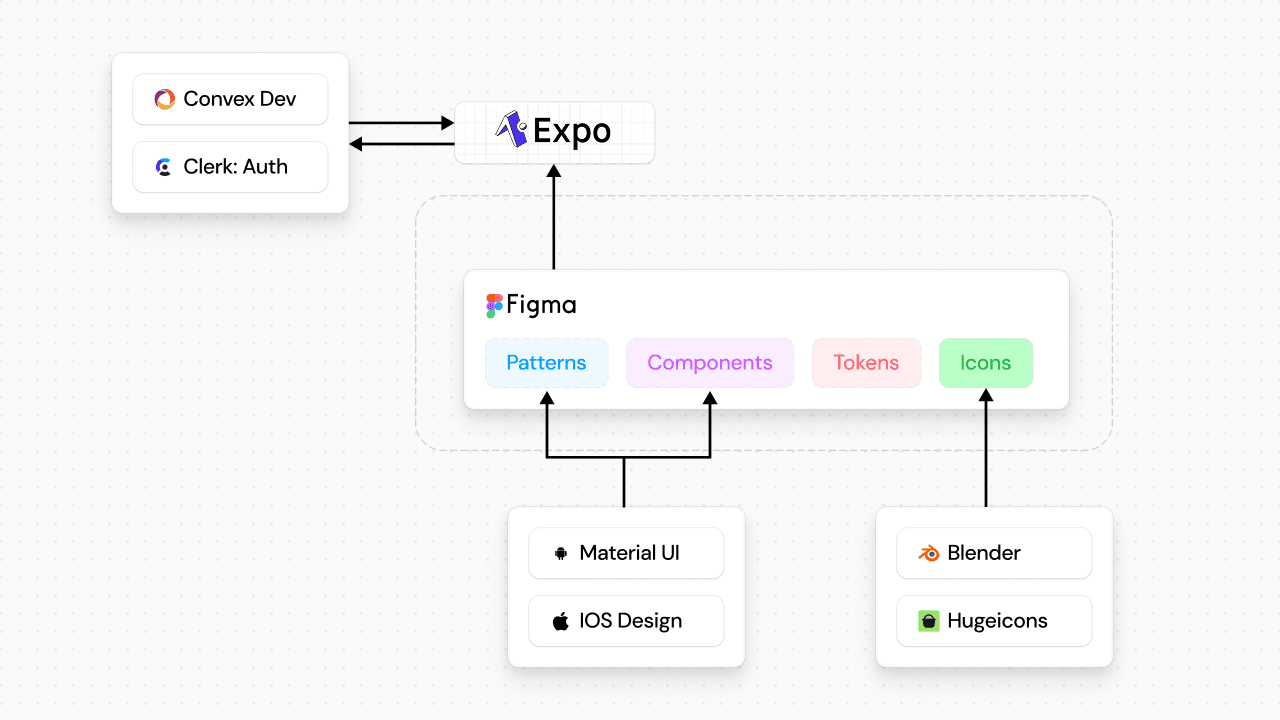
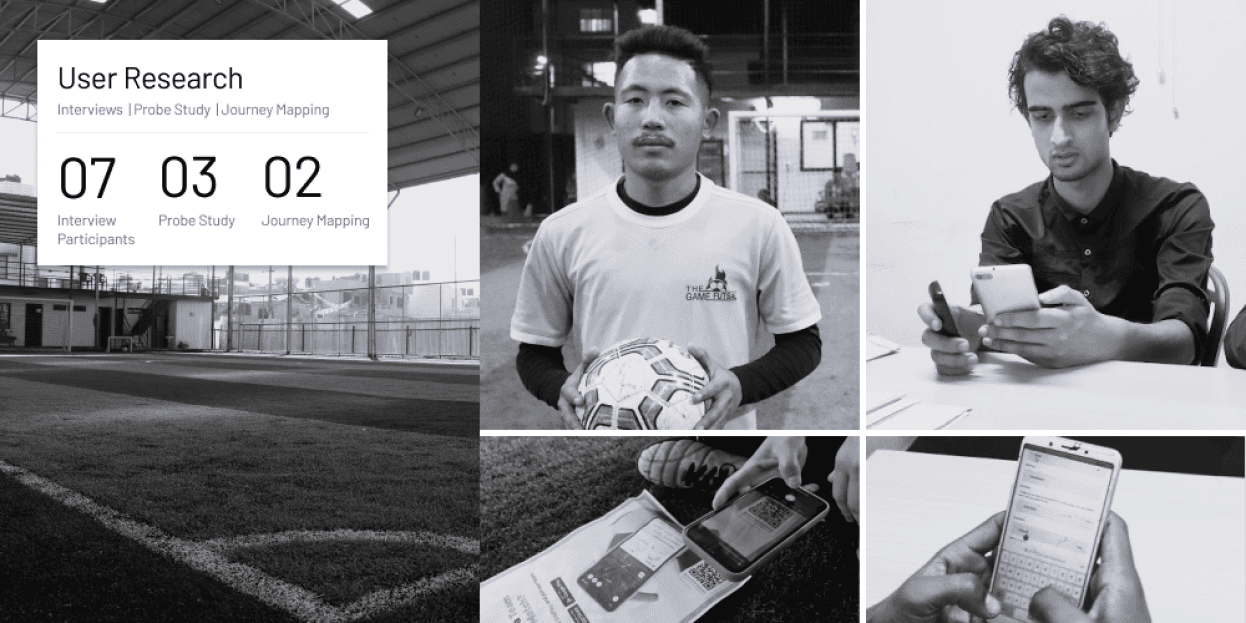
As WePlay began addressing multiple product challenges, it became clear that the existing system was not built to scale. The platform had evolved without a defined design or technical framework, leading to slow progress and fragmented decision-making across design, frontend, and backend. The product was originally architected solely for bookings, with little consideration for future needs such as messaging, notifications, chat, single sign-on, or community features. To enable sustainable growth, WePlay needed a clear architectural foundation—one that aligned design, engineering, and product strategy. This required defining a scalable process, documenting requirements, and establishing a system of tokens, components, patterns, and shared assets to support both current and future features. Ultimately, the core challenge was transforming WePlay from a single-purpose booking tool into a flexible, community-driven platform that supports discovery, engagement, and repeat play.
Design Goals
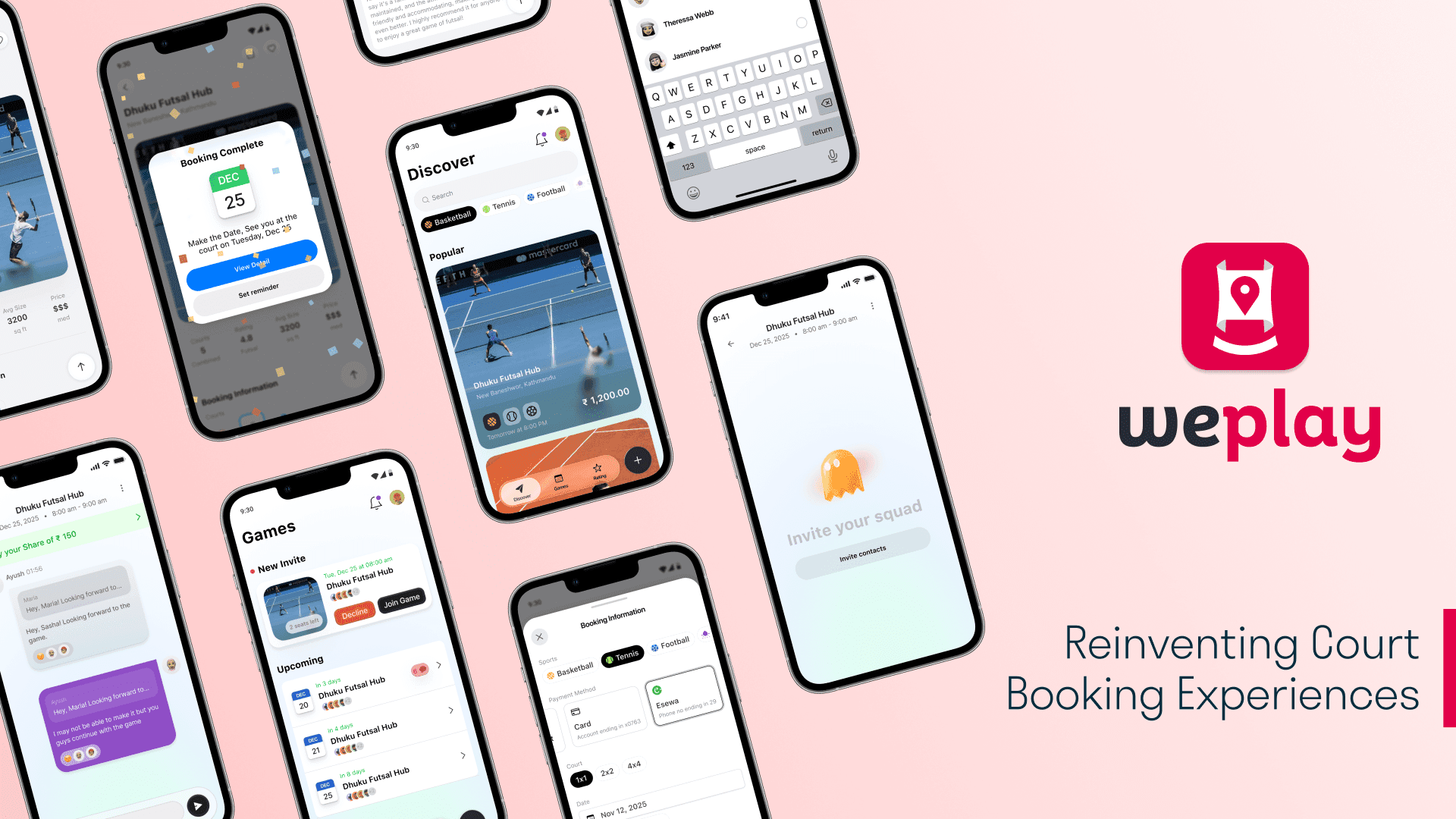
The primary goal was to reposition WePlay from a utility-driven booking tool into a community-centric sports platform. This required simplifying the booking flow, surfacing relevant venues and sports, and introducing features that encouraged users to connect, organise games, and return regularly.
Design & Implementation
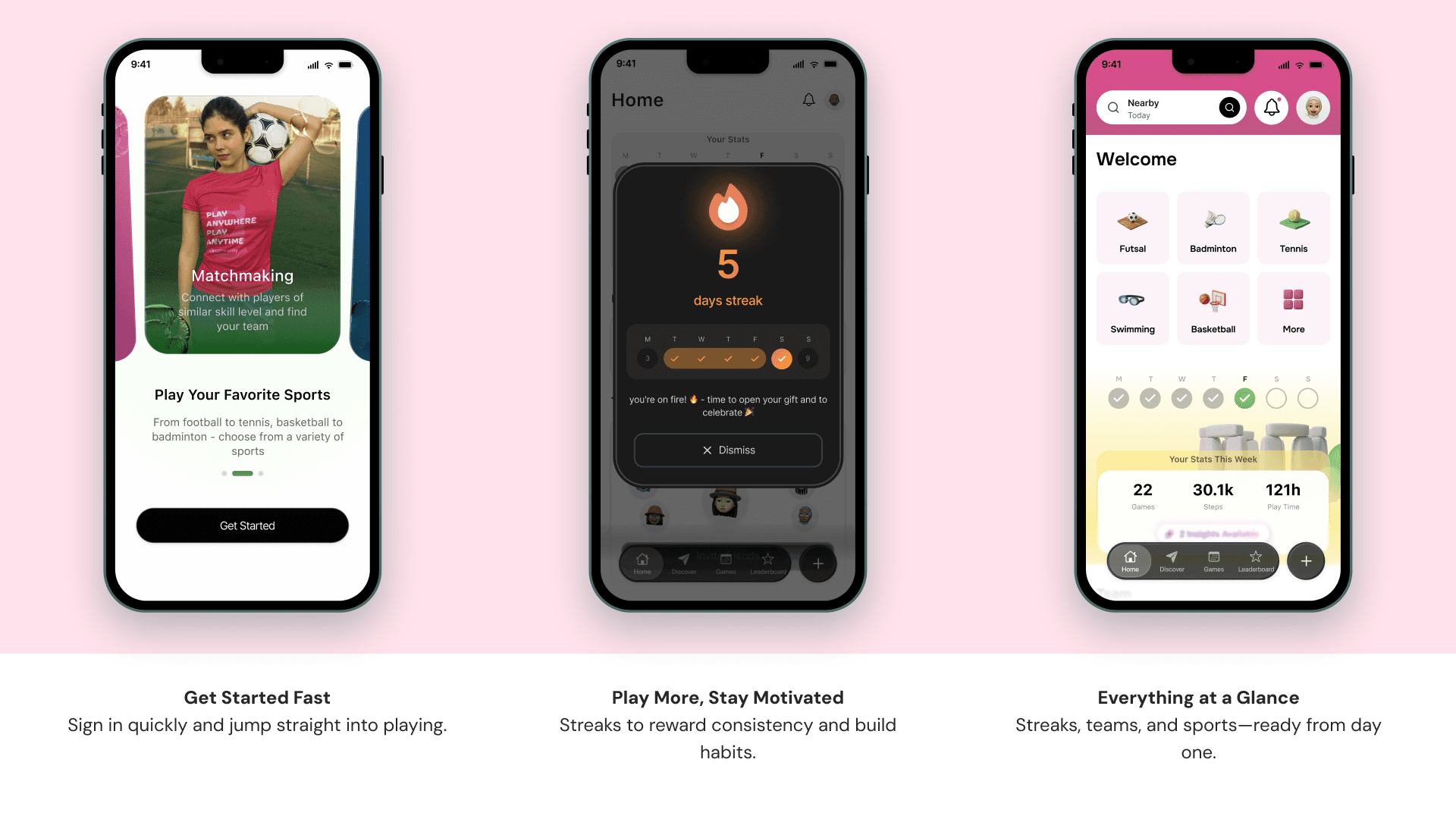
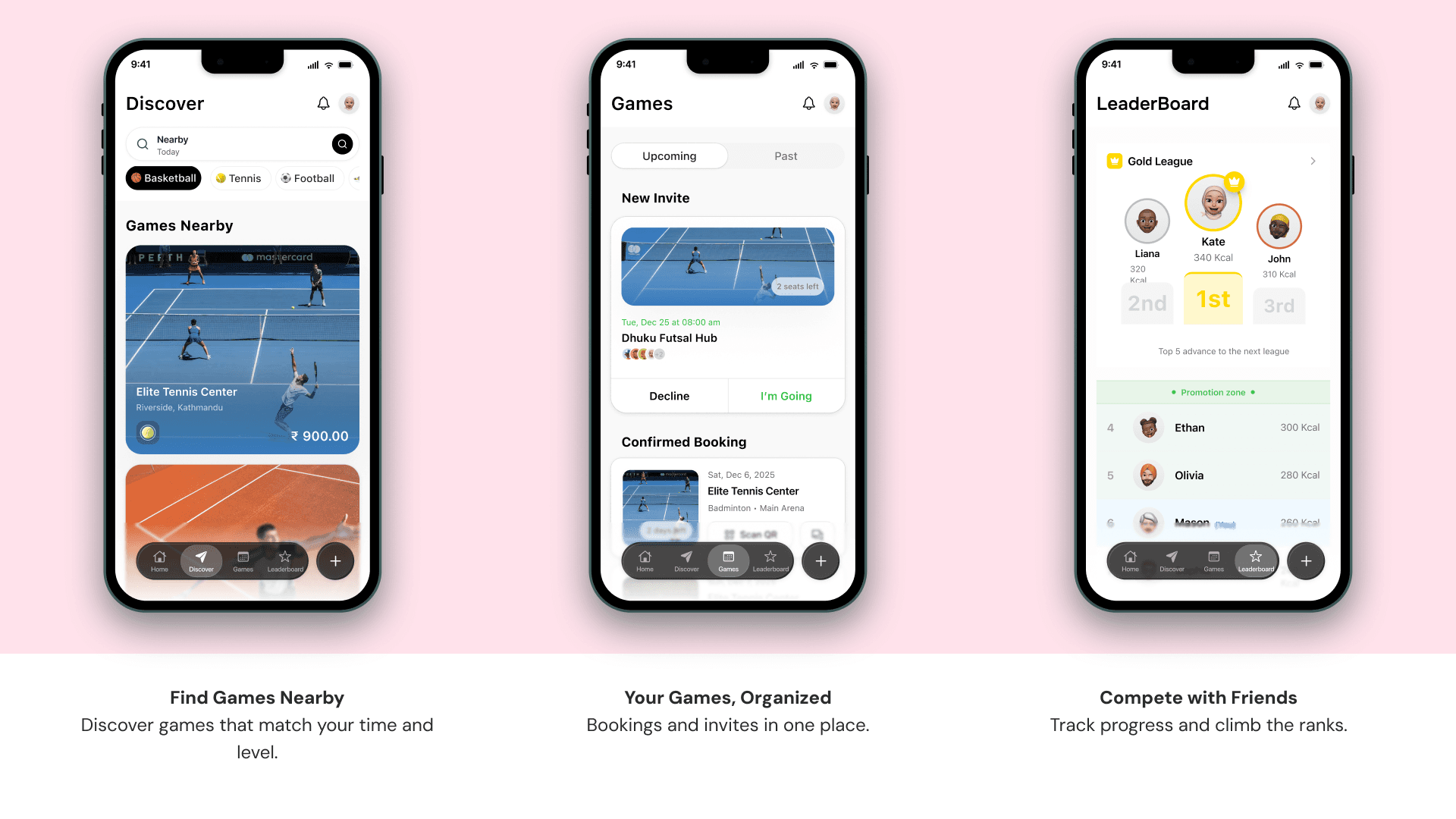
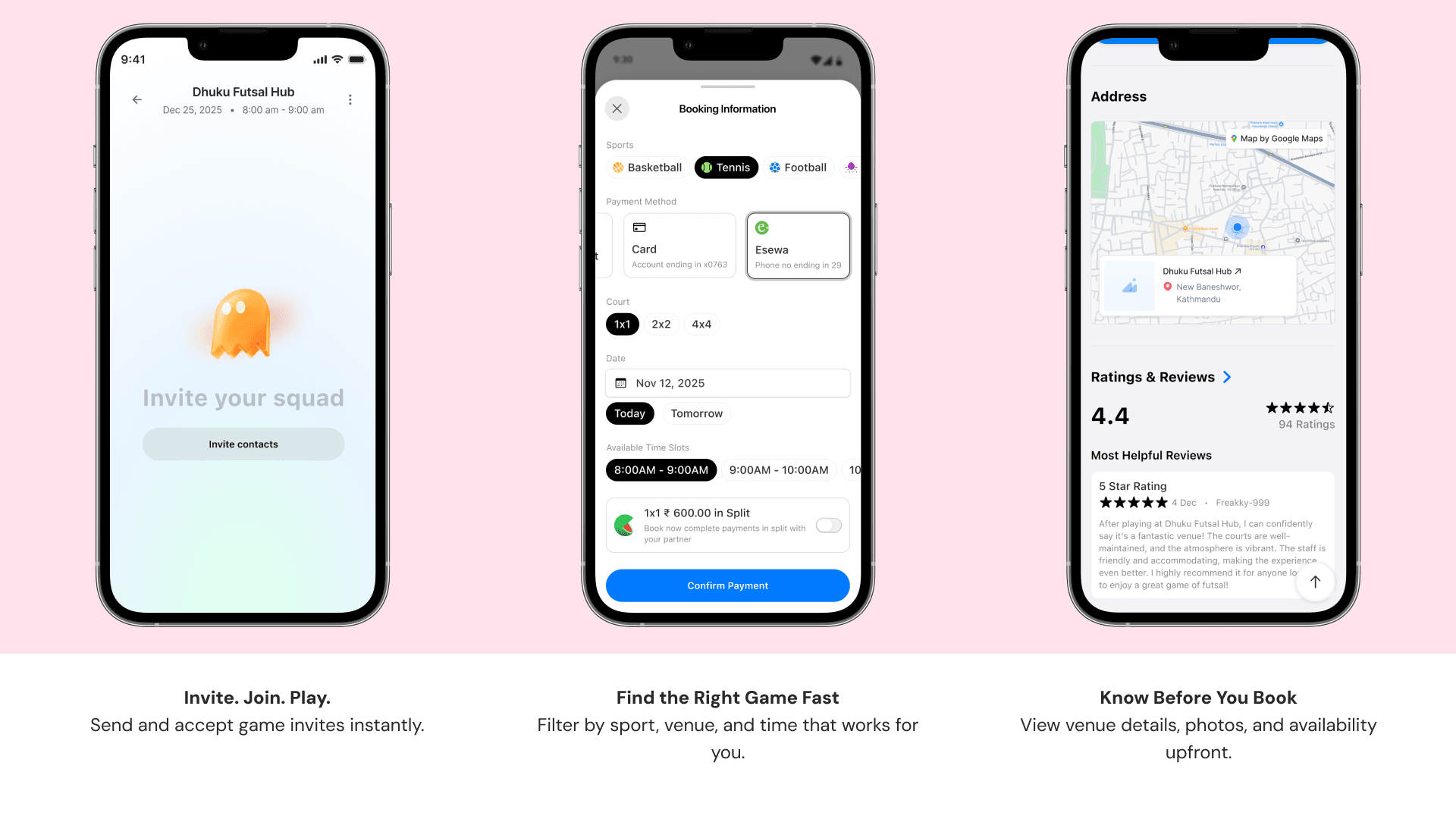
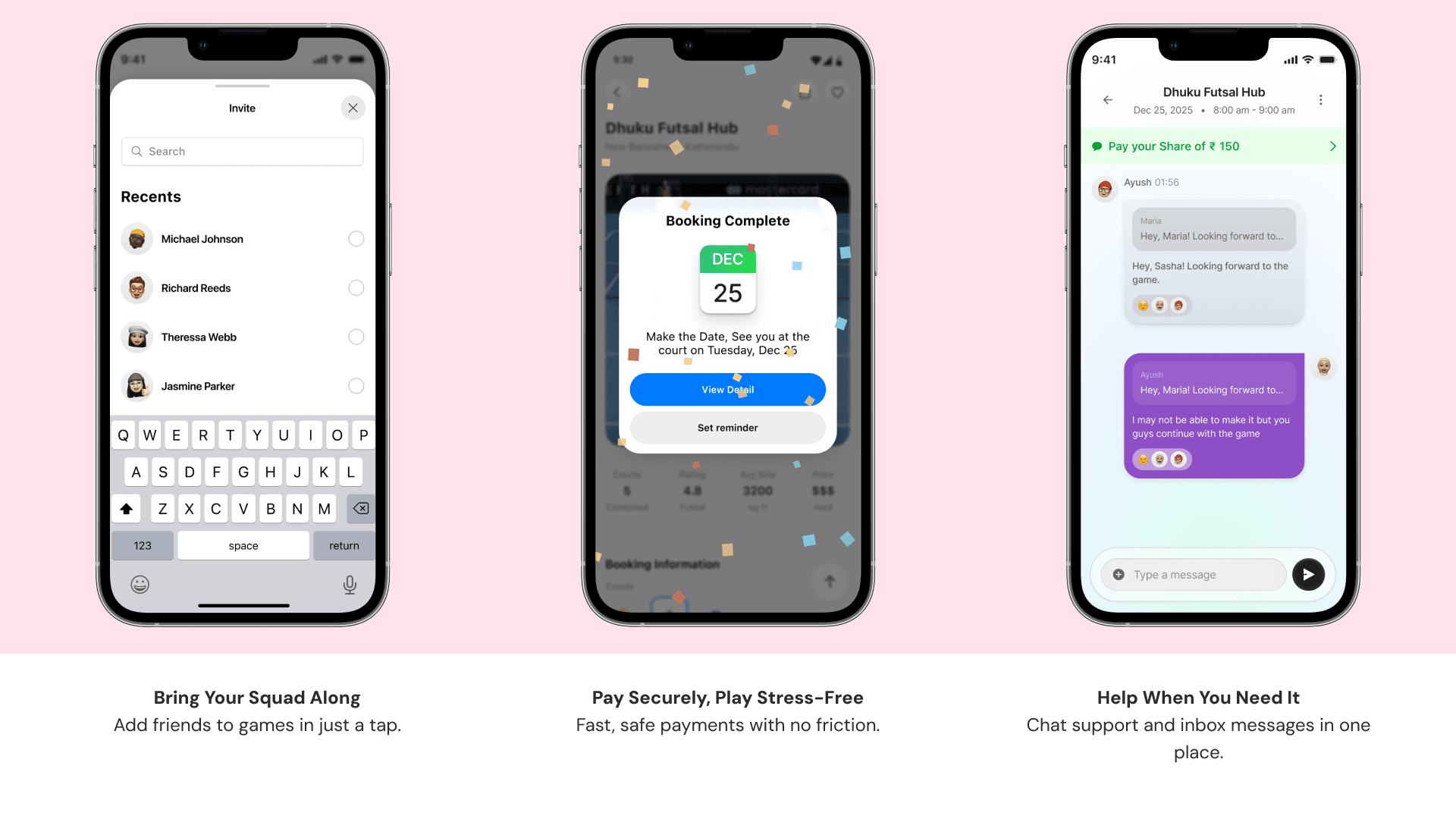
The redesigned experience focused on clarity, speed, and social context. Map-based discovery improved venue visibility, while open game listings allowed players to join existing matches instead of booking alone. Invitations and shared game details made it easier for users to organise games with friends, transforming the platform into a shared experience rather than a solo task.
- Streamlining the booking workflow to reduce friction and drop-offs
- Enhancing venue and sport discovery through structured browsing and filtering
- Introducing social mechanics such as open games and player invitations
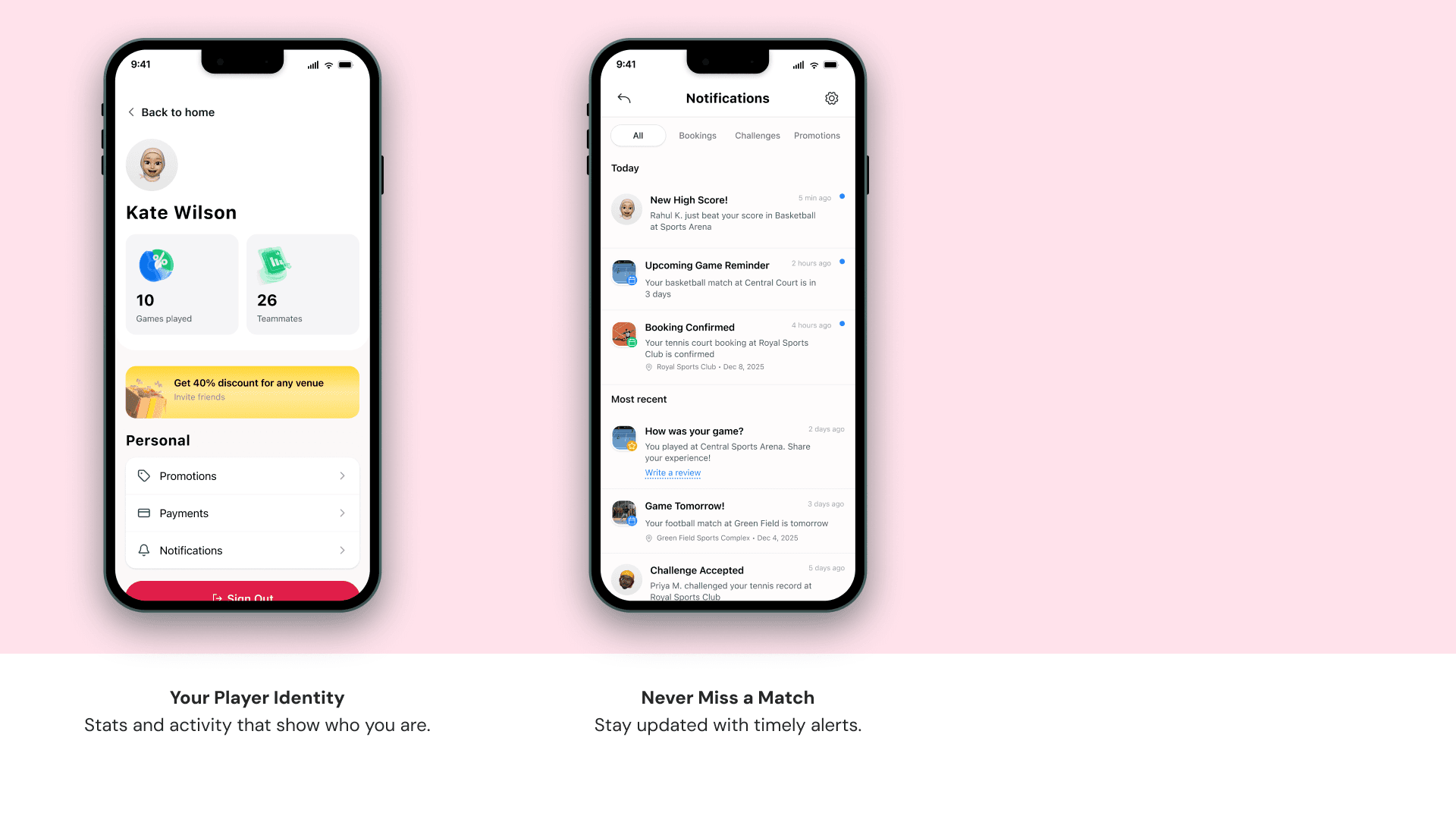
- Designing engagement loops that encourage repeat bookings
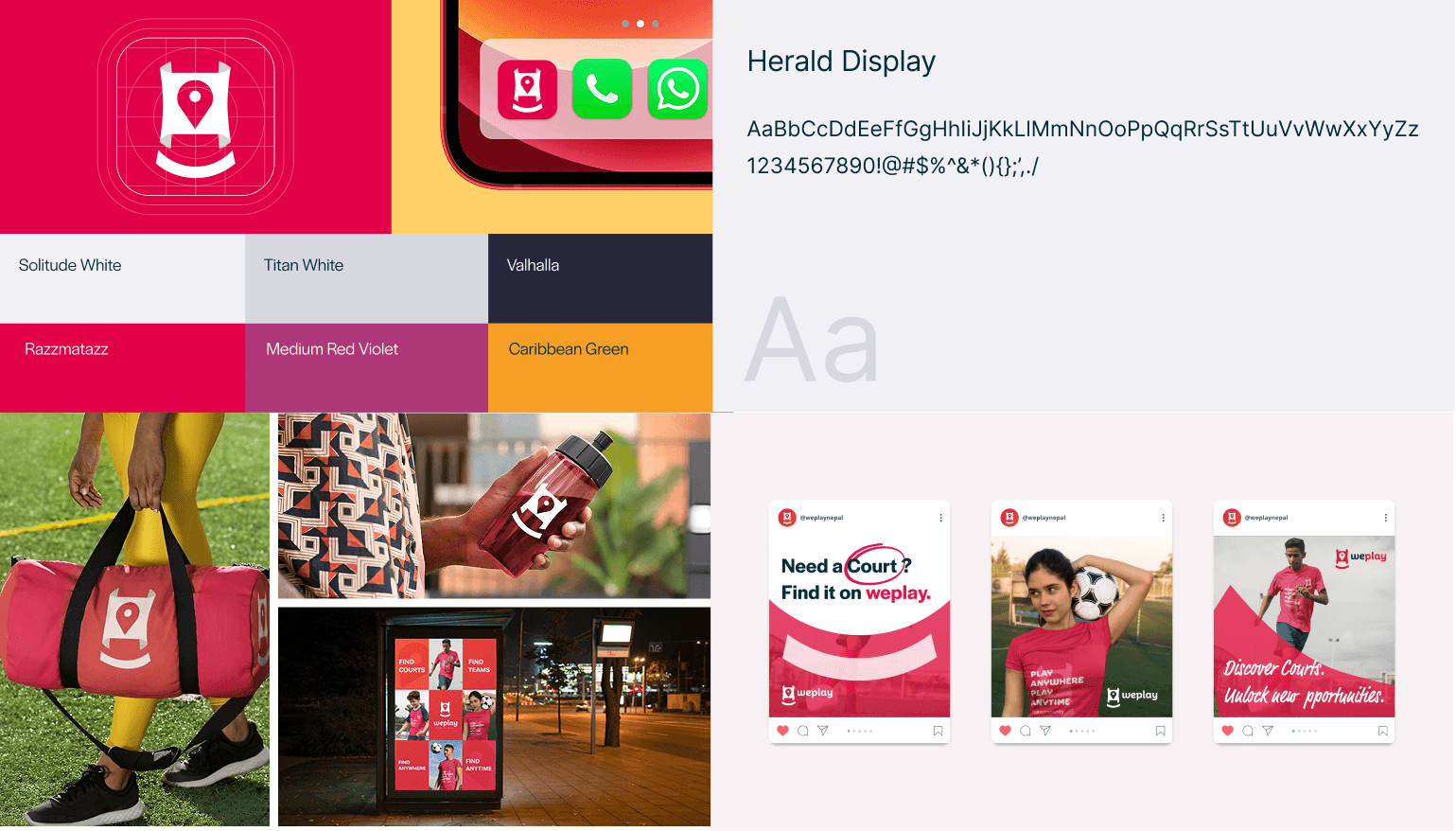
- Establishing a scalable UI system for future features and sports
Outcome & Impact
The redesign repositioned WePlay as a scalable community sports ecosystem. Users could discover venues more easily, organise games faster, and engage with the platform beyond a single booking. The product foundation now supports future growth into leagues, events, and broader community-driven features.